Delving into Discovery Car Price by Region: A Look at Germany vs Netherlands, this introduction immerses readers in a unique and compelling narrative. From analyzing car prices in different countries to understanding the factors influencing variations, this overview sets the stage for an insightful comparison between Germany and the Netherlands.
Exploring the car market dynamics in both countries reveals intriguing insights into popular brands, economic factors, and cultural preferences that shape car prices.
Overview of Discovery Car Price by Region
When comparing car prices by region, we delve into the variations in pricing that can occur between different countries. This analysis allows us to understand the factors influencing these differences and their impact on consumers.
It is essential to analyze car prices in various countries to gain insights into market trends, economic conditions, and consumer preferences. By examining these differences, we can uncover valuable information about the automotive industry's dynamics on a global scale.
Factors Influencing Car Prices in Different Regions
- Taxes: Taxation policies play a significant role in determining car prices. Countries with higher taxes on vehicles often have more expensive cars.
- Demand: The level of demand for certain car models can affect their prices. Popular models may be priced higher in regions where demand outstrips supply.
- Regulations: Regulatory requirements, such as safety standards or emission regulations, can impact car prices. Compliance with these regulations may add to the cost of vehicles in certain regions.
Car Market Dynamics in Germany
Germany has a robust and dynamic car market that is influenced by various factors, including economic conditions, consumer preferences, and technological advancements. Let's take a closer look at the current trends in the German car market, popular car brands and models, and how economic factors impact car prices in Germany.
Current Car Market Trends in Germany
The German car market is known for its focus on high-quality engineering, innovation, and sustainability. Electric vehicles (EVs) and hybrid cars are gaining popularity in Germany, driven by government incentives and a growing awareness of environmental issues. Additionally, there is a rising demand for compact SUVs and crossover vehicles among German consumers.
Popular Car Brands and Models in the German Market
Some of the most popular car brands in Germany include Volkswagen, Mercedes-Benz, BMW, Audi, and Opel. These brands are known for their performance, reliability, and advanced technology. In terms of models, the Volkswagen Golf, Mercedes-Benz C-Class, and BMW 3 Series are among the top-selling cars in Germany.
Impact of Economic Factors on Car Prices in Germany
Economic factors such as inflation, interest rates, and exchange rates play a significant role in determining car prices in Germany. For instance, a strong economy and low-interest rates can lead to increased consumer spending on cars, driving up demand and prices.
On the other hand, economic downturns or fluctuations in exchange rates can impact the affordability of cars for consumers, influencing pricing strategies by manufacturers and dealers.
Car Market Dynamics in Netherlands
When looking at the car market dynamics in the Netherlands, it is important to consider the unique trends and preferences that shape the industry in this region.
Popular Car Brands and Models
- One of the most popular car brands in the Netherlands is Volkswagen, known for its reliability and fuel efficiency.
- Other popular brands include Toyota, BMW, and Audi, which are favored for their performance and design.
- Models such as the Volkswagen Golf, Toyota Yaris, BMW 3 Series, and Audi A3 are commonly seen on Dutch roads.
Cultural Influence on Car Prices
The cultural preferences of the Dutch people often influence car prices in the Netherlands. For example, there is a growing demand for electric and hybrid vehicles due to environmental consciousness, leading to higher prices for these models.
Price Comparison: Germany vs Netherlands
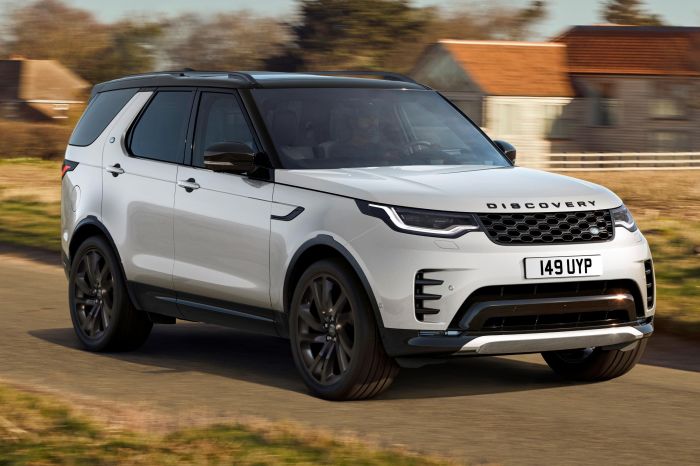
Germany and the Netherlands are both prominent players in the European car market, each with its unique characteristics and pricing structures. Let's delve into a comparative analysis of average car prices in these two countries and explore the key factors contributing to price differences.
Average Car Prices in Germany and the Netherlands
| Country | Average Car Price |
|---|---|
| Germany | €30,000 |
| Netherlands | €35,000 |
Significant Price Differences
In comparing the average car prices between Germany and the Netherlands, it is evident that cars are generally more expensive in the Netherlands than in Germany. The average car price in the Netherlands is €5,000 higher than in Germany. This price variation can be attributed to several factors.
Key Factors Contributing to Price Variations
- Taxes and Duties:The Netherlands has higher taxes and import duties on vehicles compared to Germany, leading to increased costs for consumers.
- Market Demand:The demand for cars in each country can influence prices, with higher demand often resulting in higher prices.
- Currency Exchange Rates:Fluctuations in currency exchange rates can impact the cost of importing cars, affecting their final retail prices.
- Regulatory Differences:Variances in regulations and emissions standards between the two countries can also affect pricing, as manufacturers may need to make modifications to comply with specific requirements.
Conclusive Thoughts
In conclusion, the comparison of car prices in Germany and the Netherlands sheds light on the key factors driving price variations. By understanding these dynamics, one can gain a deeper appreciation for how different regions influence car pricing.
FAQ Guide
What factors influence car prices in different regions?
Factors such as taxes, demand, regulations, economic conditions, and cultural preferences can all play a role in influencing car prices in different regions.
Which are the popular car brands in Germany and the Netherlands?
In Germany, brands like Volkswagen, BMW, and Mercedes-Benz are popular, while in the Netherlands, brands such as Volkswagen, Toyota, and Renault have a strong presence.
Are there significant price differences between Germany and the Netherlands?
Yes, there can be notable price variations between the two countries due to factors like taxes, demand levels, and market regulations.